Termite Tenting in Bellingham, WA
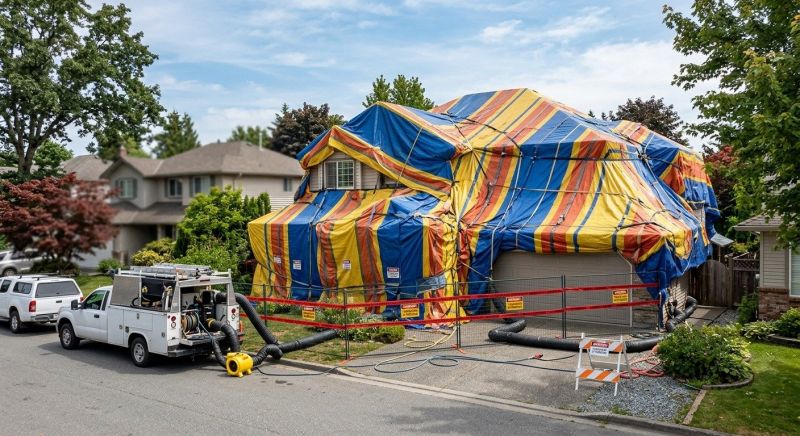
Termite tenting services involve the careful enclosure of a property with a large, sealed tent to effectively eliminate termite infestations. This method is commonly used for homes or structures experiencing significant termite activity, especially when other treatment options may not be sufficient. Property owners typically request this service when they notice signs of extensive damage or ongoing termite problems, and it is suitable for both residential and commercial buildings requiring thorough pest eradication.
Before requesting termite tenting, property owners should understand that the process involves temporarily evacuating the premises and that a specialized fumigant will be used to treat the entire structure. It is important to consider any pets, plants, or sensitive items that may need to be removed or protected during the treatment. Additionally, owners often want to know about the preparation steps needed prior to tenting and the expected post-treatment procedures to ensure safety and effective results.
Many property owners in Bellingham, WA look into Termite Tenting for repairs, replacements, upgrades, and appearance-related improvements.

Effective Termite Control
Tenting creates a sealed environment that eliminates termites throughout the structure.
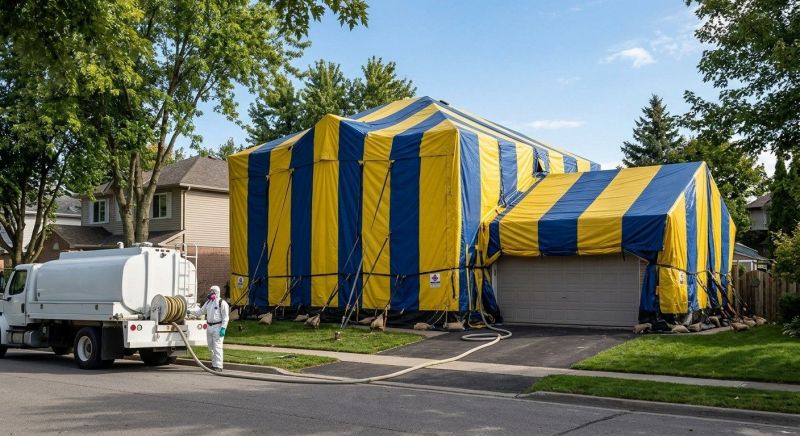
Protection For Your Property
Properly performed tenting helps prevent future termite infestations in residential and commercial buildings.
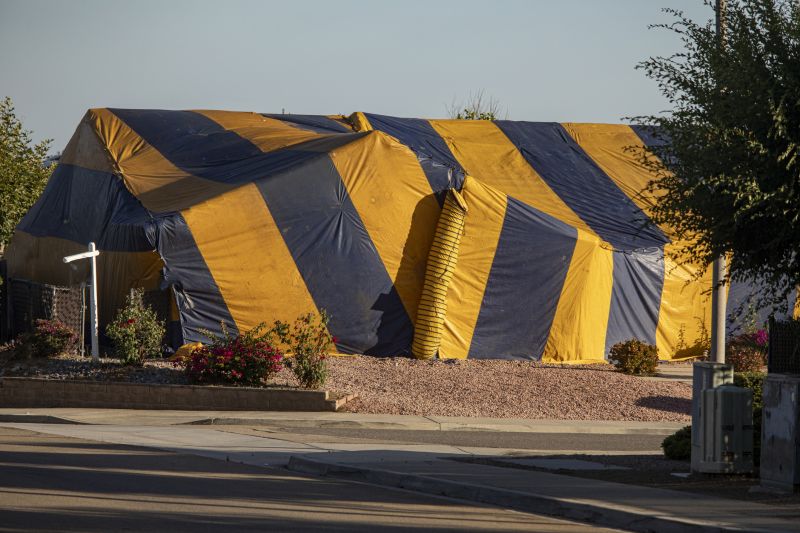
Safe And Reliable Treatment
Termite tenting is a proven method to safeguard homes in bellingham, wa, from costly damage caused by termites.
Termite Tenting in Bellingham, WA
Termite tenting services involve the careful enclosure of a property with a large, sealed tent to effectively eliminate termite infestations. This method is commonly used for homes or structures experiencing significant termite activity, especially when other treatment options may not be sufficient. Property owners typically request this service when they notice signs of extensive damage or ongoing termite problems, and it is suitable for both residential and commercial buildings requiring thorough pest eradication.
Before requesting termite tenting, property owners should understand that the process involves temporarily evacuating the premises and that a specialized fumigant will be used to treat the entire structure. It is important to consider any pets, plants, or sensitive items that may need to be removed or protected during the treatment. Additionally, owners often want to know about the preparation steps needed prior to tenting and the expected post-treatment procedures to ensure safety and effective results.
Many property owners in Bellingham, WA look into Termite Tenting for repairs, replacements, upgrades, and appearance-related improvements.
Common Termite Tenting Jobs
Termite Tenting - a treatment method that involves sealing a property with a tent for fumigation.
Infestation removal - effective for eliminating widespread termite colonies inside structures.
Pre-construction treatment - applied to new buildings to prevent future termite issues.
Existing structure treatment - used to address ongoing or past termite problems in homes.
Property inspection - identifies signs of termite activity and determines the need for tenting.
Post-treatment clearance - ensures the property is safe and free of active termites after fumigation.

Termite Tenting Questions
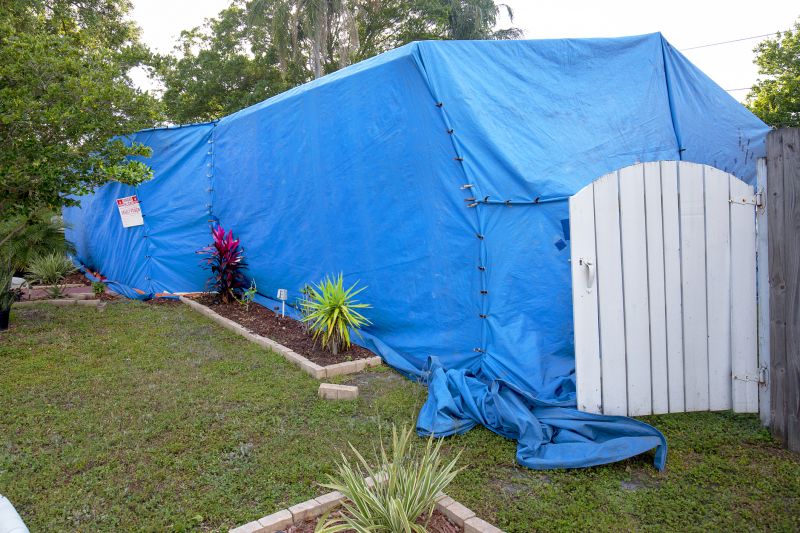
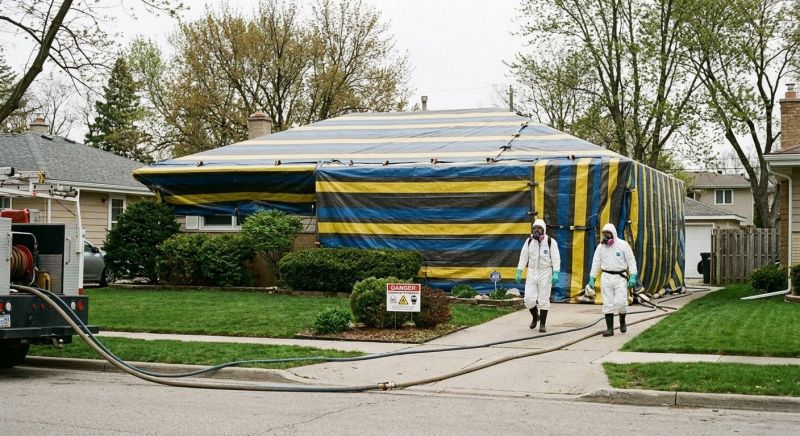
What is termite tenting? Termite tenting involves covering a property with a tent to safely apply fumigation that eliminates termites throughout the structure.
When is termite tenting recommended? Tenting is typically used when termite infestations are extensive and other treatment methods are insufficient.
Is the property safe after tenting? The property must be vacated during fumigation, and proper ventilation is necessary before re-entry.
What types of properties can be tented? Tenting can be performed on residential homes, multi-unit buildings, and other structures with pest issues.
Request Termite Tenting in Bellingham, WA
Use the quote form on this page to share the basics of your project and request more information for the type of work you need.